Farmer Finds Strange Eggs in Field — Biologists Identify Rare Tree Frog Species

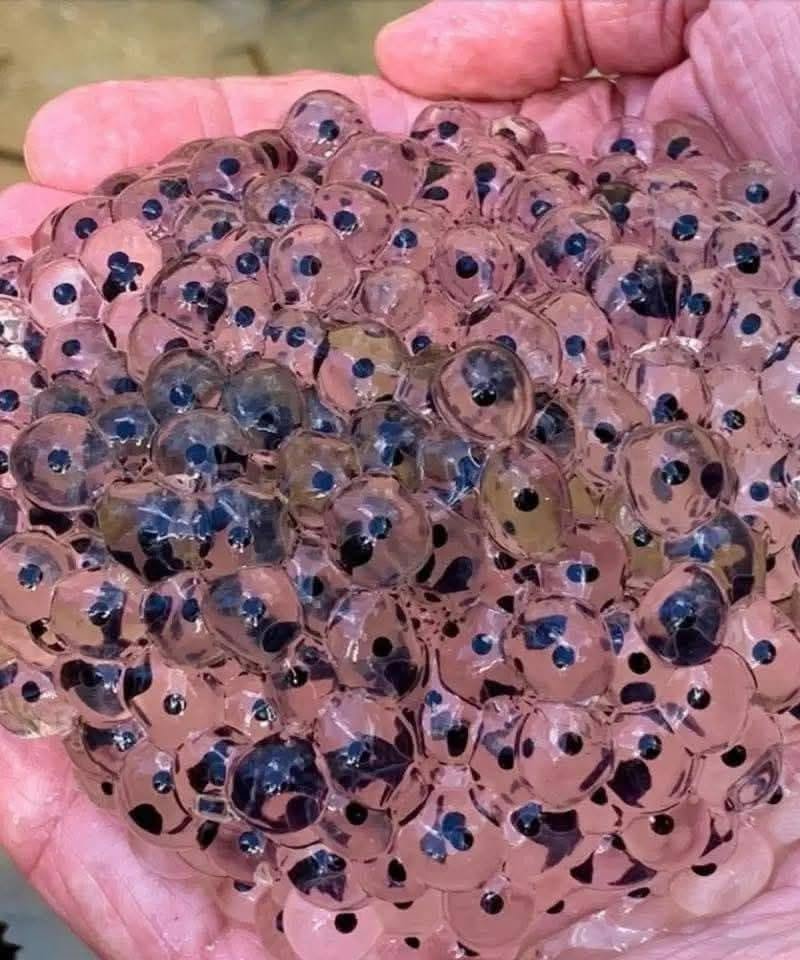
- Warmer average temperatures allow cold-sensitive amphibians to survive in areas previously too cool
- Longer warm seasons extend breeding windows
📌 Studies show amphibian ranges shifting northward across North America and Europe.
2. Increased Rainfall & Temporary Wetlands
- More frequent heavy rains create ideal breeding sites: shallow, fish-free pools
- Soybean fields and ditches can temporarily hold water — perfect for frog reproduction
✅ Unlike permanent ponds, these short-lived pools lack predators like fish, giving tadpoles a better chance to develop.
🐸 About the Gray Tree Frog
🪴 They climb well thanks to sticky toe pads — hence the name “tree frog.”
✅ How Farmers Can Support Amphibian Life
Discoveries like Thomas’s remind us how agriculture and nature can coexist.
Here’s how landowners can help:
- Preserve small wetlands or drainage ditches — even seasonal ones
- Avoid pesticides near water sources — frogs are highly sensitive to chemicals
- Leave leaf litter and brush piles — provides shelter for adult frogs
- Report unusual wildlife sightings — helps scientists track species movement
🌱 Every small habitat supports biodiversity.
❌ Debunking Common Myths
⚠️ Never move eggs or tadpoles — it can spread disease or invasive species.
Final Thoughts
You don’t need to travel deep into the wilderness to witness nature’s quiet miracles.
Sometimes, all it takes is a walk through a rainy field — and the willingness to stop, look, and ask, “What is this?”
Thomas didn’t crush the eggs. He didn’t ignore them. He reached out.
And in doing so, he helped document how life adapts — slowly, silently — to a changing world.
So next time you’re outside… pause.
Look down. Listen. Learn.
Because real discovery isn’t loud. It’s soft. And sometimes, it starts with a single egg in the mud.
For Complete Cooking STEPS Please Head On Over To Next Page Or Open button (>)

Cheesecake Fruit Salad – Creamy, Sweet, Fresh Dessert Salad for Any Occasion

Turtle Caramel Cake – Rich Chocolate, Gooey Caramel & Crunchy Pecans

Condensed Milk Pecan Pie Recipe – Rich, Creamy & Easy Homemade Dessert

Sweet Potato Pie – Full Detailed Recipe

Grandma’s Famous Sweet Potato Butter Cake

Tropical Strawberry Pineapple Pound Cake Delight – Moist, Fruity & Irresistible
