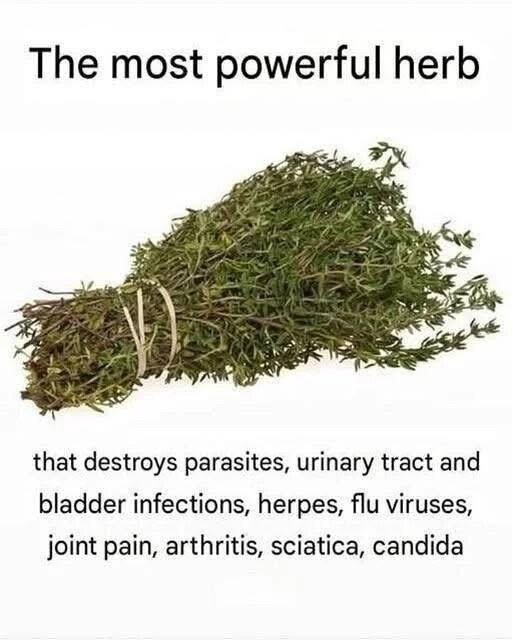
Oregano Oil: A Potent Herbal Remedy – Benefits, Uses & Cautions
Oregano oil, derived from the wild oregano plant (Origanum vulgare), is a concentrated essential oil rich in carvacrol and thymol—compounds with strong antimicrobial and antioxidant properties. It’s often touted as a powerful natural remedy, but it’s important to separate evidence-based uses from overstatements.
What Does the Research Actually Support?
- Antimicrobial & Antiviral Properties
· Strong evidence in lab studies: Oregano oil (specifically carvacrol) shows significant antibacterial, antifungal, and antiviral activity in test tubes and petri dishes against a wide range of pathogens, including E. coli, Candida, and some flu viruses.
· Limited human clinical trials: While promising, large-scale human studies are lacking. Most “cures” are anecdotal or based on traditional use.
- Potential Benefits with Some Evidence
· Fungal infections: May help with nail fungus or skin fungi when applied topically (diluted).
· Parasites: Some preliminary studies suggest it could help combat certain intestinal parasites, but human data is minimal.
· Respiratory support: Its anti-inflammatory properties might soothe coughs and cold symptoms, but it doesn’t “cure” the flu.
· UTI/Bladder support: Its antibacterial action may help prevent bacterial growth, but it is not a substitute for antibiotics for active infections.
- Claims Requiring More Research
· Herpes (HSV): Lab studies show it can inhibit the virus, but no human trials confirm it as a treatment.
· “Powerful parasite cleanser”: Overstated; some protocols use it alongside other herbs, but rigorous evidence is limited.
· “Cure” for infections: Never proven to cure UTIs, bladder infections, or viral illnesses on its own.
Important Safety & Usage Guidelines
Oregano oil is extremely potent and can be harmful if misused.
How to Use Safely:
For Complete Cooking STEPS Please Head On Over To Next Page Or Open button (>)

Cheesecake Fruit Salad – Creamy, Sweet, Fresh Dessert Salad for Any Occasion

Turtle Caramel Cake – Rich Chocolate, Gooey Caramel & Crunchy Pecans

Condensed Milk Pecan Pie Recipe – Rich, Creamy & Easy Homemade Dessert

Sweet Potato Pie – Full Detailed Recipe

Grandma’s Famous Sweet Potato Butter Cake